

TLDR:
Attached by Amir Levine and Rachel Heller explains how our early experiences shape three main attachment styles—secure, anxious, and avoidant—that influence our romantic relationships. The book offers practical advice on recognizing your own and your partner’s attachment style, improving communication, and building healthier relationships. It’s a straightforward guide for anyone looking to better understand and navigate their love life using the principles of attachment theory.
Attached by Amir Levine and Rachel S. F. Heller explores how attachment theory, originally developed to understand the bond between parents and children, applies to adult romantic relationships. The book breaks down complex psychological concepts into simple, actionable advice, helping readers understand how their attachment style influences their behavior in relationships.
Basics of Attachment Theory
Attached: The New Science of Adult Attachment and How It Can Help You Find and KeepLove starts by explaining that our attachment style is shaped by our early experiences with caregivers. There are three main attachment styles:
- Secure – people with a secure attachment style are comfortable with intimacy and are generally warm and loving in relationships.
- Anxious – anxiously attached individuals crave closeness and reassurance but often worry about their partner’s ability to reciprocate their love.
- Avoidant – avoidant individuals value independence and may struggle with intimacy, often distancing themselves emotionally when a relationship becomes too close.
These attachment styles guide how we approach romantic relationships, influencing everything from how we communicate to how we handle conflict.
To help you identify these patterns quickly, here is a comparison of how each style functions in a relationship:
Key Concepts and Insights of Attached
Levine and Heller emphasize that understanding your own attachment style—and that of your partner—is crucial for building a healthy relationship. They provide a variety of strategies to help readers identify their attachment patterns, improve communication, and navigate relationship dynamics.
One of the book’s key ideas is the concept of “attachment systems,” which are activated in response to certain triggers, like a perceived threat or a need for closeness. For example, an anxious person might become clingy and seek constant reassurance, while an avoidant person might pull away to maintain their sense of independence.
The book also discusses the compatibility of different attachment styles. While secure individuals can usually form stable relationships with any attachment type, relationships between anxious and avoidant individuals can be challenging. These pairings often fall into what the authors call an “anxious-avoidant trap,” where each partner’s needs clash, leading to a cycle of conflict and frustration.
This dynamic often creates the "Anxious-Avoidant Trap," a self-perpetuating cycle where:
-
The Anxious partner senses a withdrawal and moves closer.
-
The Avoidant partner feels their autonomy threatened and pulls away further.
-
The Anxious partner resorts to “protest behavior” (like calling repeatedly or acting out).
-
The Avoidant partner confirms their belief that others are “needy” and retreats.
These pairings often fall into what the authors call an “anxious-avoidant trap,” where each partner’s needs clash, leading to a cycle of conflict and frustration.
Practical Advice for Relationships
Attached: The New Science of Adult Attachment and How It Can Help You Find and KeepLove offers practical advice for readers to work on developing a more secure attachment style. This includes:
- Self-awareness – recognizing your own attachment style and how it impacts your relationships.
- Communication – learning how to express your needs and concerns effectively without triggering negative responses from your partner.
- Boundary-setting – establishing healthy boundaries that respect both your needs and those of your partner.
At Vo.Care, we believe in turning these psychological insights into daily habits. To move toward a "Secure" attachment, try these micro-habits:
-
The “Secure Expression” Habit – Practice stating a need directly without using “you” statements. (e.g., “I feel a bit anxious when I don’t hear from you; can we check in tonight?”)
-
The “Pause” Habit (For Anxious Styles) – When you feel the urge to “protest” or double-text, wait 10 minutes and practice deep breathing to regulate your nervous system.
-
The “Transparency” Habit (For Avoidant Styles) – Instead of just disappearing when you need space, tell your partner: “I need 30 minutes of alone time to recharge, but I’ll be back to hang out afterward.”
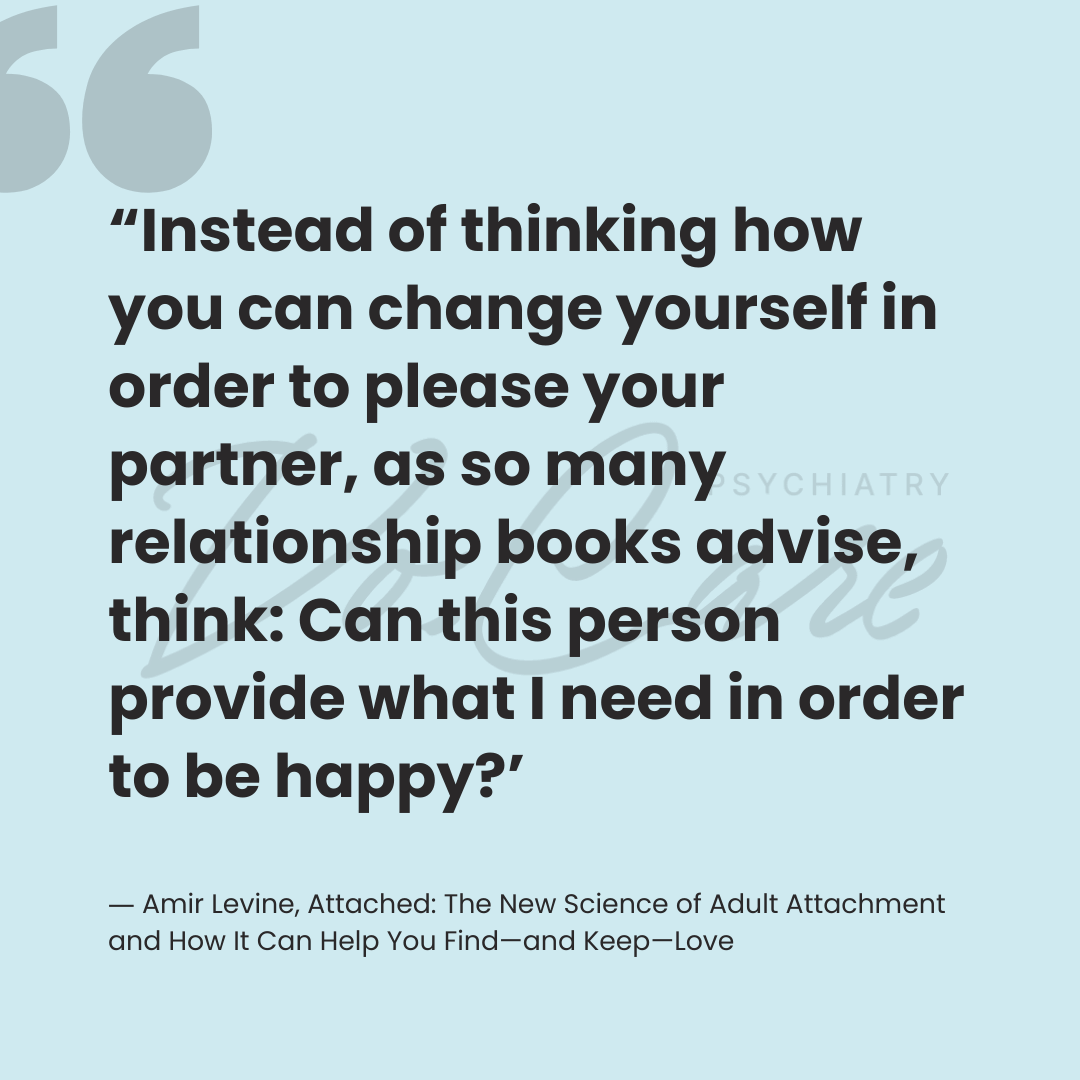
The book also provides guidance on how to choose partners who are compatible with your attachment style and how to recognize potential red flags early in a relationship.
Take Control of Your Relationship Habits
Understanding attachment is the first step; building the right habits is the second. If you want to transform your romantic life by building consistency, security, and better communication, sign up for YouHabits today. Our platform helps you track the emotional habits that lead to lasting love.
Lessons and Takeaways for Attached: The New Science of Adult Attachment and How It Can Help You Find and KeepLove
1. Know Your Attachment Style
Understanding your attachment style helps you approach relationships more effectively.
2. It’s Okay to Want Connection
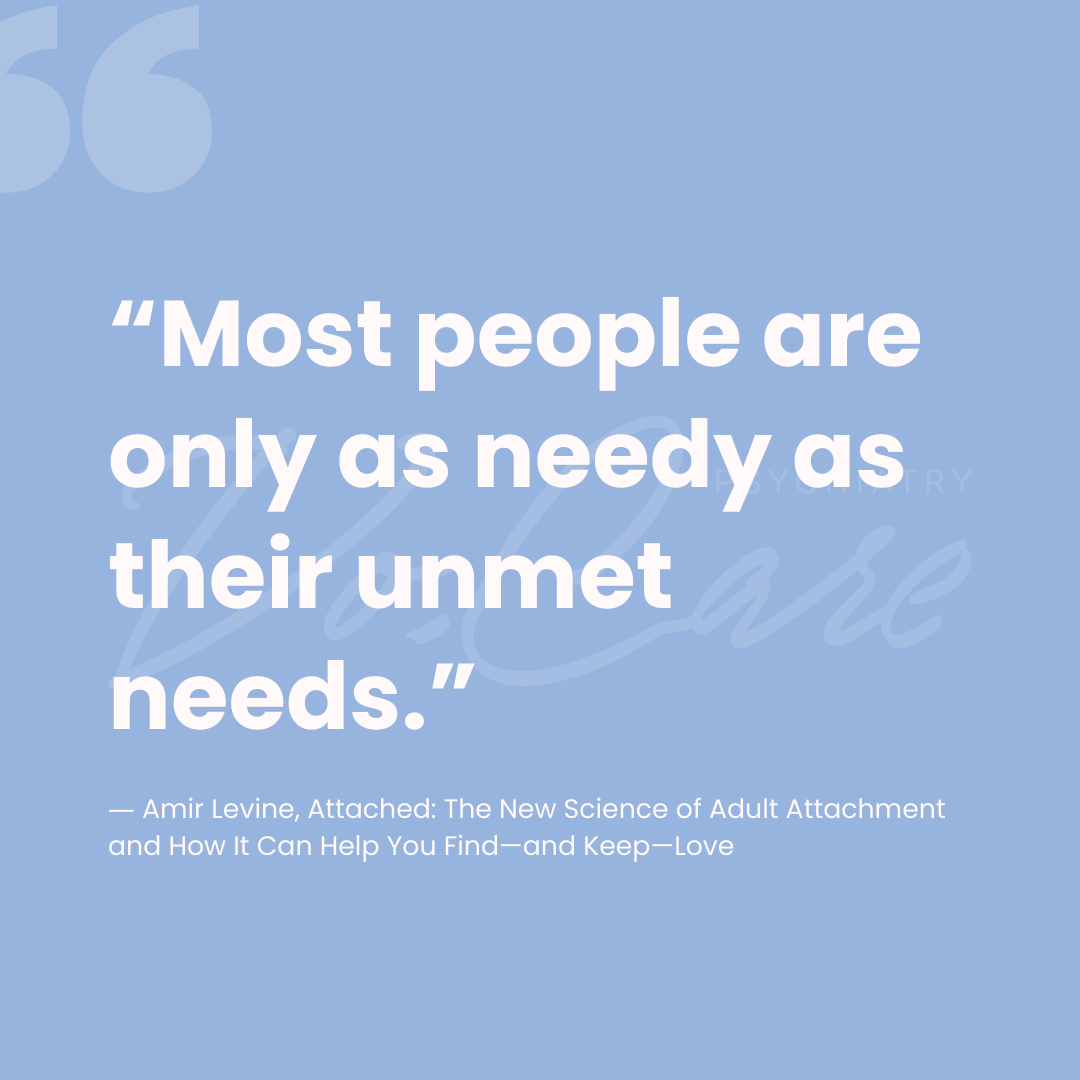
The book debunks the myth that needing a partner is a sign of weakness. It’s natural to seek connection.
3. Work on Your Flaws
Recognizing the flaws in your attachment style allows you to improve and grow in your relationships.
4. Choose Compatible Partners
Aligning with someone whose attachment style complements yours increases the chances of a successful relationship.
Conclusion: Attached: The New Science of Adult Attachment and How It Can Help You Find—and Keep—Love
Attached is a valuable resource for anyone looking to better understand their relationship behaviors and improve their romantic life. It provides clear, actionable insights into how attachment theory applies to adult relationships, making it a useful tool for fostering healthier, more fulfilling connections. Whether you’re secure, anxious, or avoidant, the book offers practical advice to help you navigate the complexities of love and attachment.
Frequently Asked Questions
Yes. Through a process called “Earned Security,” you can move from an anxious or avoidant style to a secure one by building self-awareness, practicing effective communication, or being in a long-term relationship with a secure partner.
While a Secure attachment style leads to the most stable relationships, the book emphasizes that Anxious and Avoidant styles are simply different ways of processing intimacy. The goal is not to judge yourself, but to find ways to meet your needs healthily.
Research suggests roughly 50% of the population is Secure, 20% is Anxious, 25% is Avoidant, and the remaining small percentage is a combination (Disorganized).